
The moments after a car accident are chaotic, frightening, and often physically painful. Most people have no idea what to do — and the decisions made in the first few minutes and days after a crash directly affect both your health and the value of any injury claim you may have. This step-by-step guide tells you exactly what to do after a car accident, in order, so you protect yourself legally and medically from the moment the collision happens.
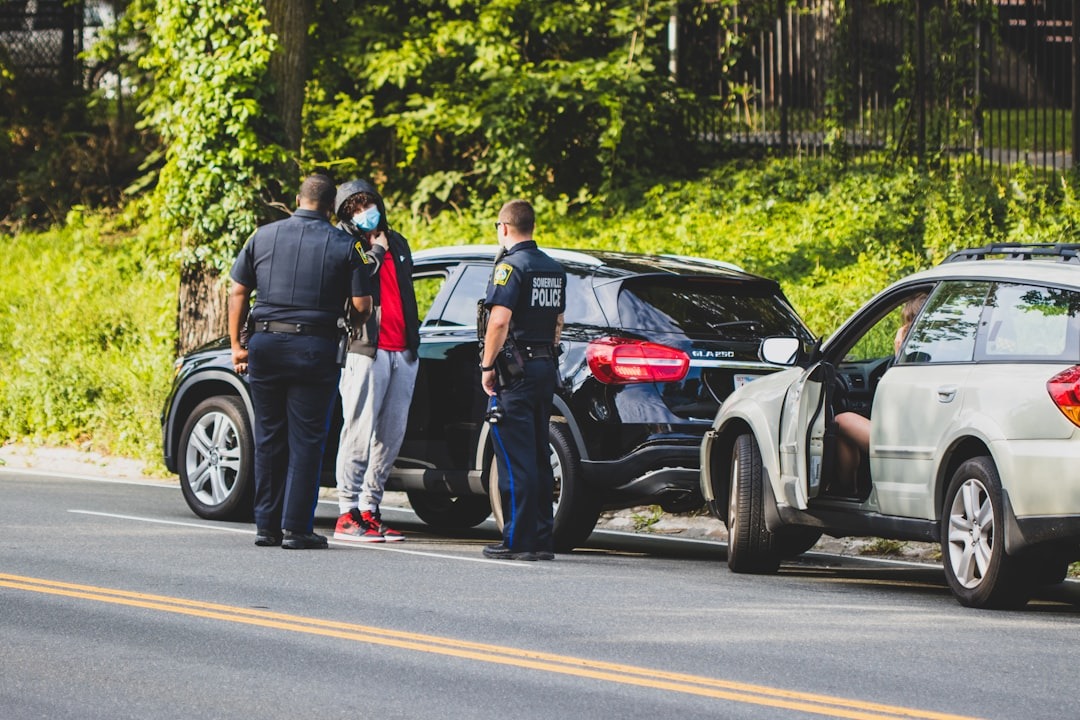
Immediate steps at the scene (first 30 minutes)
What you do in the immediate aftermath of a crash matters more than most people realise. Evidence disappears, injuries worsen without treatment, and statements made carelessly can reduce your compensation. Follow these steps in order.
Check for injuries and call 911
Before anything else, check yourself and your passengers for injuries. Do not attempt to move anyone who may have a spinal injury — let emergency services handle this. Call 911 immediately regardless of how minor the crash appears. A police report is one of the most important pieces of evidence in any car accident claim, and in many states you are legally required to report accidents involving injury or damage above a certain threshold.
When police arrive, give them an accurate account of what happened. Do not speculate about fault and do not minimise your symptoms. If you feel any pain at all, say so — even if it seems minor at that moment.
Move to safety if possible
If the vehicles are driveable and it is safe to do so, move them to the side of the road to prevent secondary collisions. Turn on your hazard lights. If moving the vehicles is not safe or possible, stay inside with your seatbelt fastened until emergency services arrive — standing on or near an active roadway is extremely dangerous.
Document the scene with photos
Your smartphone is one of your most valuable tools at the scene of an accident. Photograph everything before anything is moved:
- Both vehicles from multiple angles, showing all damage
- The position of both vehicles on the road before they are moved
- Skid marks, debris, and road conditions
- Traffic signs, signals, and road markings near the scene
- Any visible injuries on yourself or your passengers
- The other driver’s licence plate
- Weather and lighting conditions
Take more photos than you think you need. You cannot go back and capture this evidence later.
Exchange information with other drivers
Collect the following from every driver involved in the accident:
- Full legal name and contact details
- Driver’s licence number and state
- Vehicle registration number and licence plate
- Insurance company name and policy number
- Make, model, and colour of vehicle
Also collect names and contact details from any witnesses. Witness statements carry significant weight in disputed liability cases, and witnesses are far harder to locate even days after the accident.
Important: do not apologise, admit fault, or say anything like “I didn’t see you” — even conversationally. These statements can be used against you to reduce or eliminate your compensation.
What to do in the days after your accident
The actions you take in the 48–72 hours following a crash are critical for both your health and your claim. Do not assume that because you feel okay, you are okay — and do not assume the legal process can wait.
See a doctor even if you feel fine
This is the single most important thing you can do after a car accident. Many serious injuries — whiplash, concussion, herniated discs, internal bleeding — produce no immediate symptoms or only mild discomfort that worsens significantly over the following 24–72 hours.
Seeing a doctor the same day or next day creates a dated medical record that directly links your injuries to the accident. If you wait a week, insurance adjusters will argue your injuries were caused by something else entirely. Even if your doctor finds nothing serious, the visit is documented and protects you if symptoms develop later.
Follow every treatment recommendation your doctor makes. Missed appointments and early self-discharge are two of the most common ways accident victims reduce the value of their own claims without realising it.
Notify your insurance company
Report the accident to your own insurance company promptly — most policies require notification within a reasonable time period and some have specific deadlines. Give your insurer the basic facts: date, time, location, other driver’s information, and the police report number.
However, be careful about what you say. Stick to factual information and do not give a recorded statement without first consulting a car accident attorney. Your own insurer has financial incentives to minimise your payout just as the other driver’s insurer does.
Do not speak to the other driver’s insurance company
The at-fault driver’s insurance company will likely contact you quickly — sometimes within hours of the crash. Their adjuster will seem friendly and helpful. They are not. Their job is to resolve your claim for as little money as possible.
Do not give a recorded statement. Do not accept any settlement offer. Do not sign any releases. Politely tell them you will be consulting an attorney before discussing the claim further, and end the conversation.
Consult a car accident lawyer
Contact a car accident attorney within the first few days of your crash. Most offer free consultations and work on contingency — no upfront fees, payment only if they win. An attorney will:
- Take over all communication with insurance companies on your behalf
- Preserve evidence before it is lost or destroyed
- Calculate the full value of your claim including future damages
- Advise you on your state’s statute of limitations so you don’t miss your filing deadline
- Handle negotiations so you receive the maximum fair settlement
Studies consistently show that accident victims represented by an attorney receive settlements 3–4 times higher than those who negotiate on their own — even after attorney fees are deducted. Use our attorney directory to find a verified car accident lawyer near you.
Mistakes to avoid after a car accident
These are the most common errors that reduce or eliminate injury compensation:
- Leaving the scene — leaving the scene of an accident is a criminal offence in every US state, even in minor crashes where everyone seems fine.
- Not calling the police — without a police report, the other driver can later dispute that the accident happened or change their account of how it occurred.
- Delaying medical care — every day without a doctor’s visit is a day the insurance company can use to argue your injuries are unrelated to the crash.
- Accepting the first settlement offer — first offers are almost always well below the fair value of a claim. Never accept without first consulting an attorney.
- Posting on social media — anything you post publicly can be used by insurance companies to contradict your injury claims. A photo of you at a social event, a comment about feeling better, or a video of physical activity can all be used to reduce your payout. Keep your accident off social media entirely.
- Missing treatment appointments — gaps in medical treatment are used by adjusters to argue your injuries were not serious or that you have recovered.
- Signing anything without legal review — a settlement release is permanent. Once signed, you cannot seek additional compensation even if your condition worsens.
When is it too late to get a lawyer? (statute of limitations by state)
Every US state sets a deadline — called the statute of limitations — for filing a personal injury lawsuit after a car accident. Missing this deadline means you lose your right to sue, regardless of how strong your case is. The clock starts from the date of the accident in most cases.
| Statute of limitations | States |
|---|---|
| 1 year | Kentucky, Louisiana, Tennessee |
| 2 years | Alabama, Alaska, Arizona, California, Connecticut, Delaware, Georgia, Hawaii, Idaho, Illinois, Indiana, Iowa, Kansas, Maryland, Massachusetts, Minnesota, Nevada, New Jersey, Ohio, Oklahoma, Oregon, Pennsylvania, Texas, Virginia, Washington, West Virginia, Wisconsin |
| 3 years | Arkansas, Colorado, Michigan, Mississippi, Montana, New Hampshire, New Mexico, New York, Rhode Island, South Carolina, South Dakota, Vermont |
| 4 years | Florida, Nebraska, Utah, Wyoming |
| 5 years | Missouri, North Carolina |
| 6 years | Maine, North Dakota |
Exceptions that can extend the deadline include: the victim being a minor at the time of the accident, injuries that were not discovered immediately, accidents involving government vehicles (which often have shorter notice requirements of 90–180 days), and cases where the at-fault driver fled the jurisdiction. Always confirm your specific deadline with a local attorney — these rules are subject to change and exceptions are complex.
It is never too late to consult an attorney while you are within your state’s deadline. But the longer you wait, the harder your case becomes to build. Evidence fades, witnesses move on, and insurance companies use delay against you.
Get a free consultation with a car accident lawyer near you
Don’t navigate the claims process alone. Find a verified attorney near you — no upfront fees, no obligation.
Frequently asked questions
Should I call the police after a minor car accident?
Yes, always. Even in a minor accident, a police report creates an official record that protects you if the other driver later disputes what happened, changes their account, or claims their injuries were more serious than they appeared. Many states legally require you to report accidents above a certain damage threshold. A police report is one of the first things an attorney and insurance company will request when evaluating your claim.
What if the other driver does not have insurance?
If the other driver is uninsured, you are not necessarily without recourse. Your own auto policy may include uninsured motorist (UM) coverage that steps in to compensate you as if the at-fault driver had insurance. You may also be able to pursue the uninsured driver personally, though collecting from an individual without assets can be challenging. A car accident attorney will identify every available source of compensation in your specific situation.
How long after an accident can I see a doctor?
See a doctor as soon as possible — ideally the same day, and no later than 24–48 hours after the accident. Every day you wait gives insurance companies more ammunition to argue that your injuries were not caused by the crash. If you develop symptoms after initially feeling fine, see a doctor immediately and explain that the symptoms began after your accident.
Do I need a lawyer for a minor car accident?
If there were no injuries and the property damage was clearly minor, you may be able to handle the claim yourself. However, if you experienced any pain, stiffness, headache, or discomfort — even mild — consulting an attorney costs you nothing (free consultation) and can make a significant difference in your outcome. Injuries that seem minor often turn out to be more serious, and settling too quickly closes your ability to claim additional compensation later.
What should I do if the other driver flees the scene?
Do not chase the fleeing driver. Instead, note as much as you can about the vehicle — colour, make, model, and any portion of the licence plate — and call 911 immediately. Photograph any evidence left at the scene. If there are witnesses, ask them to stay for the police. A hit-and-run accident is handled differently from a standard claim — your own uninsured motorist coverage typically applies, and a hit-and-run accident lawyer can help you navigate the process.
How long does a car accident claim take to resolve?
The timeline depends on the severity of your injuries, whether liability is disputed, and how cooperative the insurance company is. Simple claims with minor injuries and clear liability can resolve in 1–3 months. Cases involving serious injuries typically take 6–18 months, as attorneys generally recommend waiting until you reach maximum medical improvement before settling — to ensure all future medical costs are included. Cases that go to trial can take 2–3 years or longer.
Can I still make a claim if I was partly at fault?
In most US states, yes. The majority of states use comparative negligence rules, which reduce your compensation proportionally by your percentage of fault. If you were 30% at fault and your damages total $100,000, you would receive $70,000. A small number of states use contributory negligence, where any fault on your part can bar recovery entirely. A car accident attorney in your state will explain which rules apply and how they affect your specific claim.