
A car accident demand letter is the document that formally opens settlement negotiations. The Insurance Information Institute publishes consumer explainers on how auto claims are processed, which is useful background before you write one. It sets out what happened, what it cost you, and what you are asking for. It is the point where a claim stops being a series of phone calls and becomes a written position the insurer has to respond to.
I am not a lawyer and this is general information, not legal advice. Laws and insurance practice vary by state. Speak to an attorney licensed in your state about your own situation.
Why writing matters
Phone negotiation favours the person who does it every day, and that is not you. A written demand forces the claim onto the record, requires a considered response, and gives you something to point back to if positions shift later.
When to send it
After your treatment is complete or stable, not before. Sending a demand while you are still treating means demanding a number you cannot yet calculate. This timing is the main reason claims feel slow. See why settlements take so long.
What goes in it
- Claim identifiers. Claim number, date of loss, parties, and your policy details where relevant.
- The facts of the crash. Plain, chronological, and factual. What happened, where, and when.
- Liability. Why the other driver is responsible, pointing to the police report, citations, or physical evidence.
- Your injuries. Diagnoses, treatment received, providers seen, and current status.
- Medical expenses. An itemised list with totals, supported by bills.
- Lost income. Dates missed, rate of pay, and employer confirmation.
- Impact on your life. Specific and concrete rather than dramatic. What you could not do, for how long.
- The demand figure. A specific number.
- A response deadline. Commonly two to four weeks.
What to leave out
- Anger, insults, or threats.
- Speculation about the other driver’s character or motives.
- Legal argument you are not equipped to defend.
- Anything you cannot document.
- A figure with no reasoning behind it.
Attachments
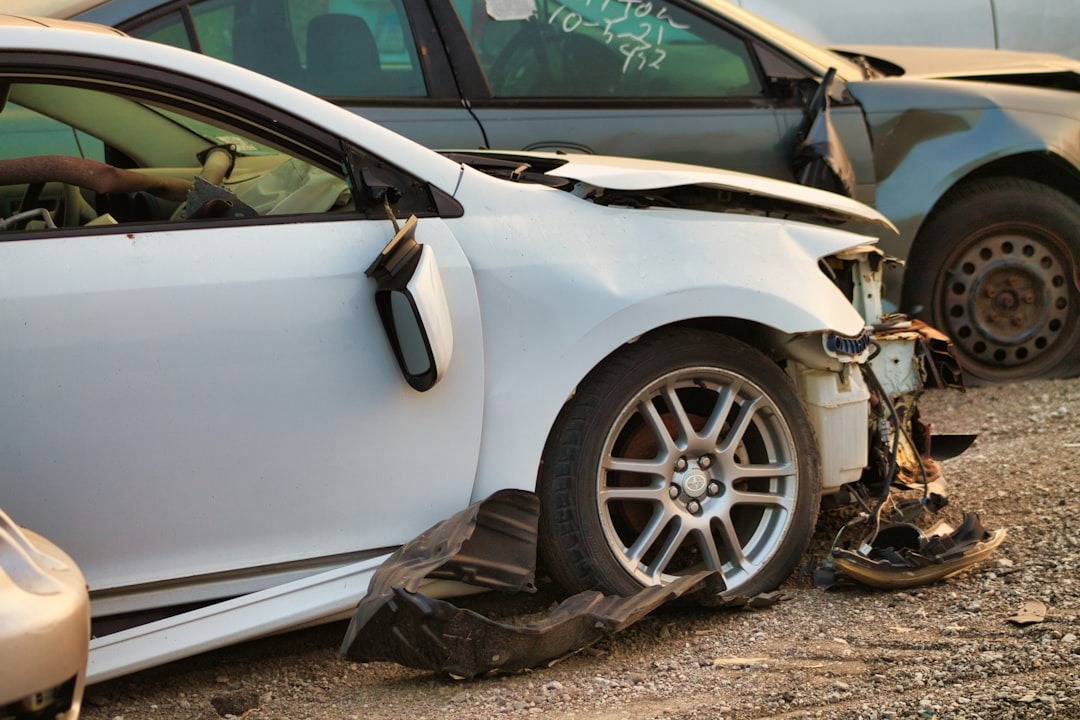
Attach copies, never originals: medical records and bills, the police report, photographs of the vehicles and any visible injuries, wage documentation, and repair estimates or the total loss valuation.
Setting the number
Your demand should exceed your target settlement, because negotiation moves downward, but it has to be defensible. A number with no relationship to your documented losses signals inexperience and tends to produce a low counter.
Start from what you can document: medical expenses, lost income, and out of pocket costs. Then add an amount for pain and disruption that you could explain to a stranger. Avoid the multiplier formulas circulating online. Adjusters do not use them, and anchoring to one will not help you.
What happens next
Expect a response in thirty days or more, and expect a counter well below your demand. That is the normal opening move rather than an assessment of your claim. See why first offers are low.
Before accepting anything, understand what will be deducted before you see money. See medical liens and attorney fees.
One warning
A settlement is final. Signing a release ends the claim permanently, including for symptoms that appear afterwards. Do not sign until you are certain your medical picture is complete.