
After a crash you usually have two distinct claims: one for your vehicle and one for your injuries. They are frequently handled by different departments, on different timelines, under different rules. People who do not realise this sometimes settle one and accidentally damage the other.
I am not a lawyer and this is general information, not legal advice. Laws and insurance practice vary by state. Speak to an attorney licensed in your state about your own situation.
The property damage claim
This covers your vehicle and its contents. It moves quickly, often resolving in days or weeks, because the numbers are objective: a repair estimate or a total loss valuation.
If the car is repairable, the insurer pays the repair cost. If repair costs approach the vehicle’s value, it is declared a total loss and you are paid the actual cash value, meaning what the car was worth immediately before the crash, not what you owe on it and not what a replacement costs today.
You may also be entitled to a rental vehicle while yours is out of use, and in some states to diminished value, which is the loss in resale value a repaired car carries because of its accident history.
The injury claim
This covers medical costs, lost income, and the human impact of the injury. It takes months, sometimes longer, because it cannot be valued until your treatment is stable. See why injury claims take so long.
The mistake that matters
The dangerous moment is signing paperwork. Some releases are narrow and cover only the vehicle. Some are broad and release all claims arising from the accident, including injury claims you have not yet made.
If you sign a broad release to get your car paid out, you may have ended your injury claim for the value of a used vehicle. This is not hypothetical and it is not rare.
Read every document before signing. If it refers to all claims, all damages, or any language beyond property, do not sign it without advice. Ask for a property damage only release in writing.
Other places they interact
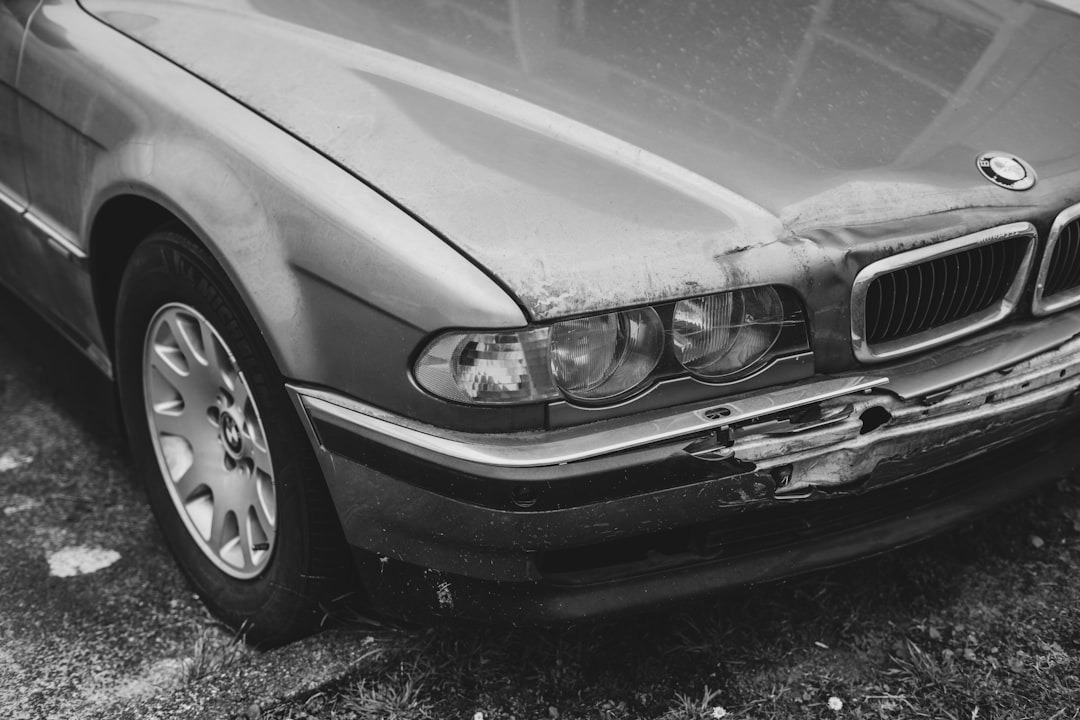
- Photographs of vehicle damage support your injury claim too. Take them before repairs begin, or before a total loss vehicle is collected.
- Minimal visible damage is used to argue the impact was too minor to injure anyone. This is contestable, but expect it. NHTSA publishes crash and vehicle safety research relevant to how impacts cause injury.
- Personal items damaged in the crash belong in the property claim, not the injury claim.
- Your own collision coverage can repair your car quickly while liability is disputed. Your insurer then pursues the other insurer, and your deductible is generally reimbursed if they recover.
Practical sequence
Resolve the property claim promptly, since you probably need a vehicle, but keep it strictly separate. Photograph everything first. Sign only property specific paperwork. Then let the injury claim proceed on its own timeline.
If you are handling both yourself, be especially careful about paperwork. See settling a claim without a lawyer.